Affect: Addiction Recovery
- 4.5
- Rating
- 100.00K
- Installs
- Free
- Price

 Analysis by App-foxy
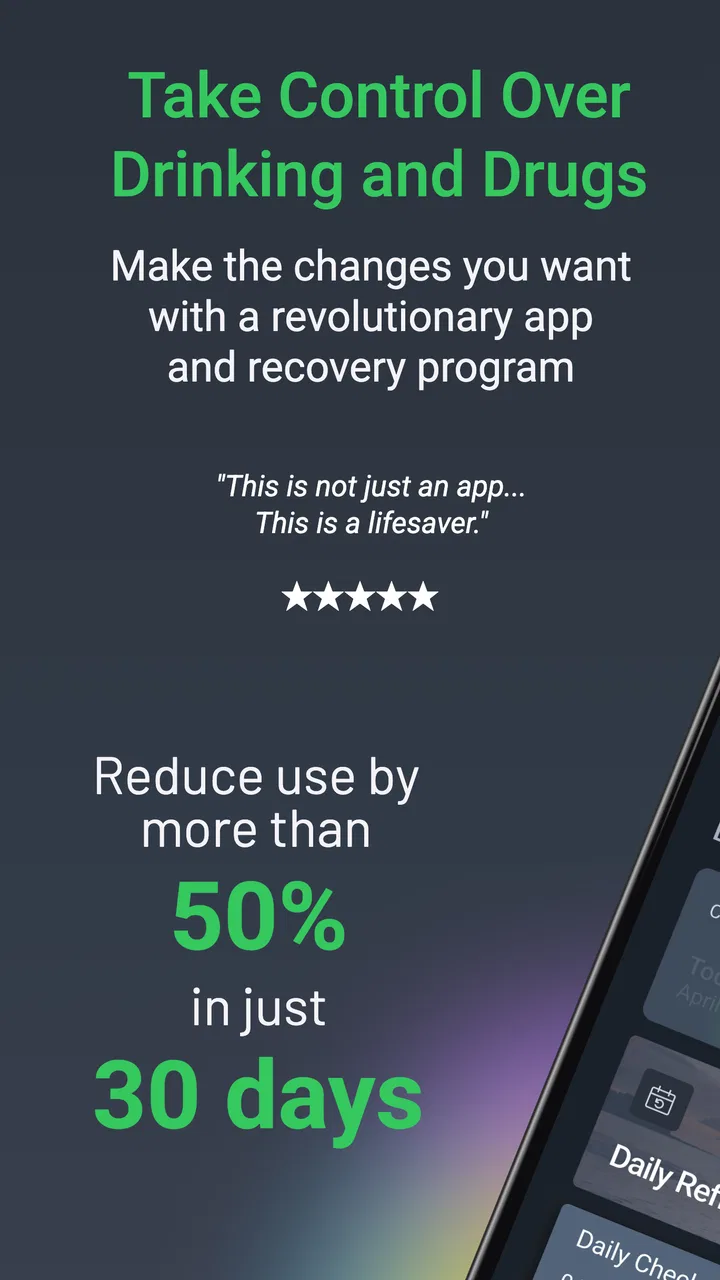
When someone is trying to change their relationship with alcohol or drugs, the hardest moment is often not the decision itself. It is the ordinary Tuesday night, the stressful commute, or the sudden urge when no appointment is available. Affect: Addiction Recovery is built around that gap. Developed by Affect Therapeutics, this free medical app presents a treatment program through a phone rather than treating the phone as merely a place to read advice. I see its main value in making support feel closer to the moment when a person actually needs it.
I approached it as someone deciding whether an app could fit into a serious recovery plan, not as a replacement for every form of care. Its store summary describes a treatment program for alcohol and drug addiction, and that distinction matters. This is not simply a sobriety counter, a collection of inspirational messages, or a general wellness tracker. It belongs to the medical category, carries a Mature 17+ age rating, and is free to install. Those details make it worth considering, but they also signal that this is a sensitive tool for a specific situation rather than a casual self-improvement download.
From the first decision to a workable recovery routine
I’d use this section to set practical expectations before building the app into a recovery routine: a phone-based program can make support easier to reach, but it still asks you to pause and engage when life is busy. I’d also think ahead about where a brief check-in fits naturally, so opening the app becomes a deliberate step rather than another task competing for attention.
You May Also Like

 Blood Strike: 2.5 Anniversary
Blood Strike’s Loadouts Turn Every Drop Into a Tactical Gamble
A close look at Blood Strike’s custom loadouts: how fast access to signature weapons reshapes its battle royale rhythm, rewards preparation, and narrows the gap between fights.

 Pandora - Music & Podcasts
Pandora’s Music Is Easy to Start, but Harder to Recover
Pandora’s strength is its low-effort path from a seed to a station. Its weak spot is how much confidence it asks you to place in connection, setup, and quiet recovery.

 8 Ball Pool
 Is Built on Rivalries, Rematches, and Routine
A close look at the rivalries, rematches, shared routines, and unanswered safety questions that turn a quick pool match into a persistent mobile community.

 Samsung Music
’s Quiet Strength Is Playing What You Already Own
Its reach comes less from spectacle than from dependable access to a personal library. That simplicity is both the app’s strongest retention engine and its ceiling.

 AccuWeather: Weather Radar
AccuWeather Review: A Quick, Clear Forecast for Everyday Decisions
For everyday plans, the best forecast is the one you can understand quickly. AccuWeather makes rain timing, radar, and local conditions easy to act on, with a few trade-offs.

 Hill Climb Racing
Why Hill Climb Racing Still Turns Crashes Into One More Run
A tiny car, a bumpy hill and one more upgrade: Hill Climb Racing keeps resurfacing because its simple chaos makes every near-miss feel personal.
More From Our News Desk



Starting with the problem you actually have
The first useful question is not whether the interface looks polished. It is whether you are ready to engage with treatment in a structured way. If you are only looking for a motivational quote, a drinking diary, or a private place to count days, this app may feel more involved than necessary. Its purpose is better suited to somebody who recognizes a recurring problem and wants ongoing help with changing behavior.
That makes the starting condition important. A person might be drinking after work most evenings, using substances to manage anxiety, or repeatedly promising to stop and then returning to the same pattern. In those situations, an app-based program can lower the barrier to taking the next step. You do not have to wait until you feel perfectly prepared, and you can begin in the environment where many triggers already happen.
At the same time, I would not treat the download as proof that someone is medically safe to manage alone. Addiction can involve withdrawal, overdose risk, severe mental-health symptoms, or immediate danger. An app cannot turn an urgent crisis into a routine onboarding task. Anyone facing those conditions needs emergency or professional help appropriate to the situation before relying on a mobile program.
What the day-to-day flow is meant to accomplish
The practical appeal is the connection between learning, checking in, and acting. Instead of separating treatment from everyday life, the program is designed to keep recovery work close to the moments that shape the outcome. That can make it easier to notice patterns: when an urge appears, what happened just before it, which response was attempted, and whether the plan survived contact with real life.
A realistic example would be a user who usually drinks after closing a laptop. Rather than waiting for a weekly appointment to explain the pattern, the person can use the app as part of a same-day routine: acknowledge the current situation, follow the treatment guidance available in the program, and make a deliberate choice before the familiar habit takes over. The value is not that a screen magically removes the urge. The value is that it can insert a pause and a treatment-oriented action into a predictable chain.
I found this workflow more meaningful than a simple streak system would be. A streak can encourage consistency, but it can also make one lapse feel like total failure. A treatment program has room to focus on what happened and what to do next. That is a crucial distinction for people who need practical recovery support rather than a scoreboard.
Where human support fits into the handoff
The word “app” can make people assume that everything happens alone. That is not the way I would evaluate this product. The important handoff is between what the user enters or experiences on the phone and the treatment process behind it. A person brings an honest account of their situation; the program then becomes a channel for guidance and continued engagement.
This handoff only works when the user is candid. Entering what sounds encouraging instead of what really happened weakens the usefulness of any recovery tool. I would recommend using the app at a consistent point in the day and recording difficult moments while they are still fresh. That creates a more reliable picture than trying to reconstruct a week of cravings and decisions from memory.
There is also a handoff from digital support to offline life. The app may help someone prepare for a difficult evening, but the user still has to navigate relationships, work, access to substances, transportation, sleep, and stress. I would use it alongside trusted people and professional care when those are available. It is strongest as a bridge between treatment intentions and daily decisions, not as an excuse to isolate from every other source of help.
Small routines that make the program easier to use
One non-obvious trade-off is that convenience can become avoidance. Because the program is on a phone, it is easy to open it only when things are going well and ignore it during the uncomfortable moments when it would be most valuable. I would place the app somewhere visible, choose a regular check-in window, and use it before the usual trigger rather than after a lapse has already happened.
A second useful tactic is to separate reflection from emergency response. When calm, I would work through the program deliberately and note which situations repeatedly lead to use. During a strong urge, I would avoid turning the phone into a long browsing session. The goal should be to reach the relevant support quickly, then move into a concrete offline action such as contacting a trusted person, leaving the triggering setting, or seeking urgent help when necessary.
A third insight is that the app’s value depends on continuity more than novelty. A new user may expect a dramatic transformation after the first session, but recovery usually involves repeated choices and adjustments. The better test is whether the program helps you return after a difficult day, understand the pattern, and keep participating. That is a more realistic measure than whether the first interaction feels inspiring.
What outcome I would expect
The likely result is not a guaranteed cure or a perfectly smooth streak. A better outcome is a clearer recovery routine: the person notices risk earlier, uses treatment guidance more consistently, and has a defined next step when cravings or setbacks appear. For somebody who struggles to attend every in-person appointment or feels intimidated by starting treatment, that accessibility can be genuinely important.
The app also has a meaningful public signal behind it. It has passed one hundred thousand installs, with an average rating of 4.5 from around 3.7 thousand ratings and about 1.3 thousand written reviews. I would not treat those figures as proof that it will suit every person, but they do suggest that the format has reached a substantial audience and that many users have found enough value to rate it.
Its current version is 5.9.0, and the app supports operating systems from version 9 onward. For someone using an older phone, compatibility is worth checking before planning a recovery routine around it. For most people with a supported Android or iOS device, the free price removes one obvious financial barrier, although free access should not be confused with every possible form of treatment being available through one screen.
How it compares with the usual alternatives
Compared with a sobriety counter, Affect: Addiction Recovery is more treatment-oriented. A counter can be excellent for tracking a personal milestone and seeing a simple record of progress, but it may offer little direction when the user is deciding what to do during a craving. This app is the better fit when the person wants a guided program rather than a number to protect.
Compared with peer-support communities, it offers a different kind of experience. A community can provide recognition from people who understand addiction firsthand, while an app-based treatment program can feel more private and structured. Someone who needs conversation, accountability from peers, or a sense of belonging may prefer a group as an important companion. Someone who feels exposed in a public or social setting may find the phone-based route easier to begin.
Compared with traditional therapy or an addiction clinic, the app is more convenient but less able to respond to complex circumstances in real time. A clinician can observe changes, ask follow-up questions, coordinate care, and address conditions that do not fit a standardized digital flow. I would choose professional treatment first when the situation is medically complicated, unstable, or accompanied by serious psychiatric symptoms. I would choose this app as an accessible layer of support when the person can safely participate and wants help between other forms of care.
Where the flow breaks down
The biggest friction is the same feature that makes the app appealing: treatment is mediated through a phone. A user who is intoxicated, overwhelmed, experiencing withdrawal, or facing a dangerous environment may not be able to follow a digital routine carefully. In those moments, the correct response may be immediate human or emergency assistance, not more time in the app.
Another limitation is motivation. Downloading a recovery app is easy; returning to it honestly is harder. If someone is being pressured into treatment and does not accept the need for change, the program may become another ignored icon. The app can support commitment, but it cannot create willingness on demand.
There is also a privacy and comfort trade-off that I would consider before starting. Addiction treatment involves personal information and vulnerable reflections. Some users will appreciate having that work available on a phone; others may find the device itself distracting or worry about using it around family, roommates, or colleagues. I would choose a private routine and avoid assuming that a mobile format is automatically comfortable for everyone.
Finally, the free cost is helpful, but it should not be the only factor in the decision. If a person needs supervised withdrawal, medication management, intensive therapy, or immediate crisis intervention, the right option may be a clinic, doctor, emergency service, or established support network. A free app is valuable when it fills the right gap; it is not valuable when it delays care that cannot safely be delivered through an app.
Who should try it, and who should look elsewhere
I would recommend it to an adult who wants to address alcohol or drug use, can safely use a mobile treatment program, and is willing to build a repeated routine rather than chase a quick fix. It is especially appealing for someone who wants support available in the same places where triggers occur, or who needs a lower-friction starting point before adding other care.
I would be cautious about recommending it as the sole option for somebody with dangerous withdrawal history, an overdose concern, severe depression, psychosis, suicidal thoughts, or an unstable living situation. I would also look elsewhere if the main need is face-to-face therapy, medical supervision, or a strong peer community. Those needs are not failures of the app; they are signs that a different level or style of support is more appropriate.
My final take after following the workflow
The strongest part of Affect: Addiction Recovery is its attempt to connect treatment with the exact moments when recovery is tested. It is more purposeful than a basic tracker, more private than a public group, and easier to reach than an appointment that requires travel and planning. Affect Therapeutics has positioned it as a serious medical app rather than a generic habit tool, and that focus is what gives it a clear reason to exist.
My recommendation comes with a boundary: use it as an active part of a recovery plan, not as a substitute for urgent or specialized care. Set a regular routine, be honest during difficult days, and decide in advance which offline person or service you will contact if the situation becomes unsafe. With that mindset, the free app is a sensible option for adults who want structured support close at hand. If you need supervised treatment or direct human care, start there and treat the app as a possible companion instead.
FAQs for Affect: Addiction Recovery
01What is Affect: Addiction Recovery, and who is it designed for?
Affect: Addiction Recovery is a mobile support app intended to help people reflect on addictive behaviors, build healthier routines, and stay engaged with recovery goals. It may be useful for individuals at different stages of recovery, including those seeking structure, motivation, and daily accountability. However, it should be viewed as a complementary tool rather than a replacement for professional treatment, counseling, medical care, or emergency support.
02What features can I expect when using Affect: Addiction Recovery?
The app is built around practical recovery support, such as guided activities, progress tracking, reminders, educational content, and tools for recognizing triggers or recording emotions and habits. Depending on the current version and platform, some features may differ between Android and iOS. Before downloading, users should review the store listing to confirm which tools are available, whether content is free, and if any functions require a subscription or in-app purchase.
03Can Affect: Addiction Recovery replace a therapist, doctor, or recovery program?
No. Affect: Addiction Recovery can provide helpful structure and encouragement, but it cannot diagnose addiction, manage withdrawal, prescribe medication, or respond to a personal crisis. Recovery can involve serious physical and mental health risks, particularly when stopping substances suddenly. Use the app alongside qualified professional care whenever possible, and contact local emergency services or a crisis resource immediately if you are in danger or experiencing severe withdrawal symptoms.
04Is my personal recovery information private and secure?
Because recovery notes, emotional check-ins, and habit information can be highly sensitive, privacy is an important consideration before creating an account or entering personal details. Check Affect’s privacy policy and the relevant Google Play or App Store listing to understand what information is collected, how it is stored, whether data is shared with service providers, and how account deletion works. Avoid recording details you would not want stored if you have concerns about confidentiality.
05Is Affect: Addiction Recovery free to download and use?
The app may be available to download without an upfront charge, but certain features, programs, or premium resources could require payment through a subscription or in-app purchase. Pricing, trial periods, renewal terms, and available features can change over time and may vary by country or device. Review the store page carefully before starting a trial, and cancel through your Google Play or Apple account settings if you no longer want recurring billing.
Pros
- Evidence-based tools support reflection
- cravings
- and relapse prevention.
- Progress tracking helps users visualize milestones and maintain motivation.
- Journaling features encourage honest self-assessment and emotional awareness.
- Private
- discreet format may feel safer than discussing recovery publicly.
- Useful daily structure with reminders
- exercises
- and recovery-focused prompts.
Cons
- It is not a substitute for professional treatment or emergency support.
- Some features may require a subscription or in-app purchases.
- Content can feel repetitive for users with long-term recovery experience.
- Reminders may become stressful or triggering during difficult periods.
- Privacy concerns may matter because recovery entries contain sensitive information.

Affect: Addiction Recovery
Gallery